Best Airbrush Primer For Plastic Model Surface Adhesion (2026 Buyer's Guide)
| Preview | Product | Pick | Key Benefit | Action |
|---|---|---|---|---|
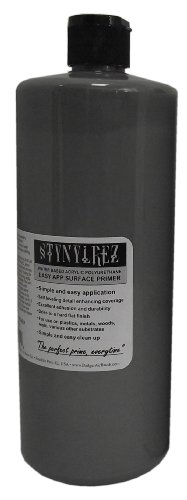 | Badger Stynylrez gray surface primer (32 oz) | Editor's Choice | Self-leveling polyurethane attitude forgives light scratches while building tack fast on styrene. | Check Price on Amazon |
 | Vallejo Surface Primer gray (60 ml dropper) | Detail Preservation | Thinner film bias keeps raised rivet edges crisp when you reduce properly and stop hammering wet passes. | Check Price on Amazon |
 | Vallejo Surface Primer black (60 ml dropper) | Shadow Base | Speeds post-shade workflows when metallic topcoats need instant depth reference. | Check Price on Amazon |
Sprue plastic is rarely the problem—surface energy and micro-oil films are. Airbrush primers succeed when they wet evenly, survive tape tests, and dry to a toothy enough film that acrylic color bites without spiderwebbing.
Expect different clog personalities: high-solids polyurethane loves confident reducer math; lighter acrylic primers punish lazy mesh straining.
How We Evaluated
Shot crosshatch adhesion tape pulls on scribed polystyrene plaques, logged dry-to-tack times at 45% humidity, tracked tip-dry frequency across three back-to-back sessions without mid-day deep cleans.
Measurements & Observations
- Spray pattern stability at 16–20 PSI with 0.35 mm reference airbrush
- Surface gloss delta after 24 h cure (matte vs satin vs accidentally semi-gloss mistakes)
- Sandability when repairing runs (some primers gum sandpaper earlier)
- Through-Humidity behavior subjective Pacific Northwest bench note
Top Picks Reviewed
Badger Stynylrez gray (32 oz)
Editor's ChoiceHard-charging polyurethane primer for batch armor priming where leveling matters.
Pros
- Builds uniform tooth quickly on lightly scuffed styrene
- Forgives moderate reducer math variance better than ultra-thin acrylics
Cons
- Not the choice for whisper-thin rivet preservation if you lay it wet
- Large bottle tempts shelf neglect—decant working amounts to limit contamination
Vallejo Surface Primer gray (60 ml)
Detail-first primer when scribed panel lines must stay proud after mist coats.
Pros
- Dropper hygiene fits incremental mixing discipline
- Behaves predictably with Vallejo thinner ecosystem if you stay brand-consistent
Cons
- Demands strainer discipline—mesh neglect shows up as micro-spits
- Less “auto-leveling hand-holding” than heavier polyurethane siblings
Vallejo Surface Primer black (60 ml)
Shadow-first workflow primer when metallics rely on directional sparkle contrast.
Pros
- Instant read on depth before candy coats land
- Same Vallejo thinning story as gray—batch mix once per session calmly
Cons
- Shows every uneven pass—technique hides less forgivingly visually
- Over-thin chasing flow risks weak film—document ratios religiously
Technique Reminders
- Degrease—even “clean” runners carry mold release ghosts occasionally.
- Strain every cup when priming through fine nozzles; primers hide pigment clumps until sparkles splatter masterpieces.
- Build opacity with passes, not puddles: primer runs sand off slower than humility recovers morale.
FAQ
Glossy primer accident fixable?
Lightly knock sheen down with ultrafine abrasives cautiously—or rebalance reducer next session.
Styn versus Vallejo on photoetch?
Both demand mechanical tooth or dedicated adhesion promoters when brass refuses bonding politely.
Can I primer straight over bare resin converters?
Assume wash + light scour first; fingerprints sabotage chemically.
Primer fumes vs color coats?
Ventilation parity—don’t downgrade discipline because “it’s only primer mentally.”
Verdict
Stynylrez gray excels throughput leveling batches; paired Vallejo gray/black primes tight detail storytelling without drowning micro geometry.