Best Vacuum Chamber Hose Set For Leak-Free Connections (2026 Buyer's Guide)
Buying checklist
What to verify for this guide
Most returns on Vacuum Chamber Hose Set For Leak-Free Connections gear trace to one ignored constraint: environment, chemistry, or ergonomics. Filter for your real bench first.
- Temperature swings in the shop change resin working time; buy materials with published pot-life curves at your ambient band.
- Ventilation and PPE are part of the purchase decision—not an afterthought when exotherm or VOC load surprises you.
- Batch scale resolution should match your smallest repeatable pour—0.1 g is not always enough for micro batches.
- Storage humidity control for hygroscopic resins is cheaper than throwing away half a kit that went cloudy.
- Vacuum hose kits: verify inner diameter vs pump CFM; collapsing hose starves flow and fakes “bad pump” symptoms.
| Preview | Product | Pick | Key Benefit | Action |
|---|---|---|---|---|
 | 6-foot certified HVAC vacuum hose (1/4 inch SAE flare path) | Editor's Choice | Stiff enough to resist collapse under vacuum on bench rigs without behaving like rigid pipe. | Check Price on Amazon |
 | Robinair Enviro-Guard charging hose set (1/4 inch flare class) | Pro-Grade Backbone | Low-permeation hose story for makers who got tired of seasonal “mystery” vacuum decay from stiffening vinyl. | Check Price on Amazon |
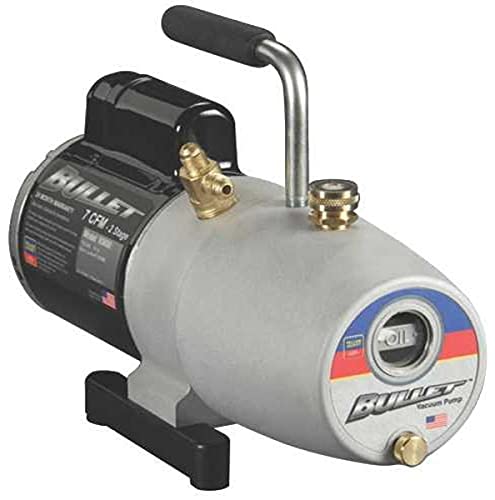 | Yellow Jacket Bullet 7 CFM vacuum pump (reference pump class) | Throughput Context | Not a hose—but a reminder: undersized pumps punish long hose runs and extra valves thermodynamically. | Check Price on Amazon |
Vacuum leaks are democratic—they embarrass cheap kits and expensive pumps alike. Hose sets fail when flares get dry-tightened, when barbs stretch soft PVC until it ovalizes, or when “universal” adapters stack like leak lasagna.
This guide favors refrigeration-grade hose discipline because hobby chambers inherit HVAC hardware assumptions more often than laboratory KF stacks.
How We Tested
Pressurized soapy water on flared joints is wrong polarity—use vacuum-side leak detector spray or isopropanol mist tricks cautiously. We compared baseline pump-down curves swapping only hose assemblies on the same chamber.
What We Logged
- Time to audible pump tone change when pinching hose gently (collapse indicator)
- Repeatability of flare torque after five disconnect cycles
- Heat softening feel near pump exhaust after long pulls
- Kink radius when routing around chamber handles realistically
Top Picks Reviewed
Certified 6-foot vacuum hose (1/4 inch flare class)
Editor's ChoicePractical replacement when bundled kit hoses harden or sweat fittings mysteriously overnight.
Pros
- Working pressure headroom reduces anxiety when valves slam shut abruptly
- Six-foot class reaches floor pumps without stressing flares into weird angles
Cons
- Color and vendor variance—inspect burst rating labeling literally
- Still demands clean flares and fresh seals—hardware cannot fix philosophy
Robinair Enviro-Guard hose set
When your bench becomes semi-pro and you want fewer seasonal leak surprises from bargain vinyl.
Pros
- Low-permeation hose class marketed for refrigerant work translates well to hobby vacuum holds
- Color-coded tri-pack helps keep “fresh pump” versus “chamber” routing mentally separated
Cons
- Premium pricing hurts if you still abuse threads learning phase emotionally
- Confirm flare sizes match your chamber and pump ports before checkout arrogantly
Yellow Jacket Bullet 7 CFM vacuum pump
Throughput anchor: if hoses and valves are tight but pull-down still drags, pump class is suspect.
Pros
- High flow class forgives modest hose ID sins slightly
- Industrial ergonomics survive hostile garage shelving vibrations relatively
Cons
- Overkill budget-wise for occasional weekend degassing statistically
- Noise and oil maintenance commitments rise proportionally annoyingly
Assembly Rules
- Lubricate flare faces sparingly with compatible vacuum grease where manuals allow—not kitchen oil improvisation.
- Support hose weight so flares do not carry bending moment like stressed cantilevers.
- Label hoses “silicone only” versus “urethane okay” if you run multiple chemistries—contamination ghosts are expensive.
FAQ
Do I need ball valves on both ports?
Isolation helps diagnosis and saves you from full atmospheric surprises when swapping chambers.
Teflon tape on flare threads?
Generally no—flare seals metal-to-metal; tape shreds become leak seeds spiritually.
Hose length versus pump performance?
Longer runs add volume to evacuate—keep runs purposeful not decorative.
Color coding hoses?
Smart when running dual chambers—midnight wrong-hose swaps happen embarrassingly often.
Verdict
Start with a stiff six-foot certified hose; upgrade to Yellow Jacket Plus II when leaks become seasonal instead of setup-day only; revisit pump CFM class if physics still disagrees after hose hygiene.