Best Headband Magnifier For Close Up Assembly Without Eye Strain (2026 Buyer's Guide)
Buying checklist
What to verify for this guide
Use this checklist before checkout so Headband Magnifier For Close Up Assembly Without Eye Strain choices survive the first honest week on your bench, not just day-one unboxing.
- Bench ergonomics decide whether Headband Magnifier For Close Up Assembly Without Eye Strain gear survives daily use—cord routing, weight balance, and glare on scales all compound.
- Dial indicators: clean pole shoes and consistent stylus pressure beat magnet brute force when you are chasing single-digit microns of runout.
- Community repair threads (forums, Reddit, YouTube teardowns) surface failure modes spec sheets never mention.
- Bench vises: check jaw parallelism under light clamp load before trusting a part for square filing—one shim beats fighting twist all afternoon.
- Spare consumables (tips, blades, bits, filters) availability matters more for Headband Magnifier For Close Up Assembly Without Eye Strain than the showroom finish of day one.
| Preview | Product | Pick | Key Benefit | Action |
|---|---|---|---|---|
 | Donegan OptiVISOR DA-4 headband magnifier (glass lenses) | Editor's Choice | Classic glass-lens headband loupe with interchangeable plate options—strong default when you need stable optics for hours. | Check Price on Amazon |
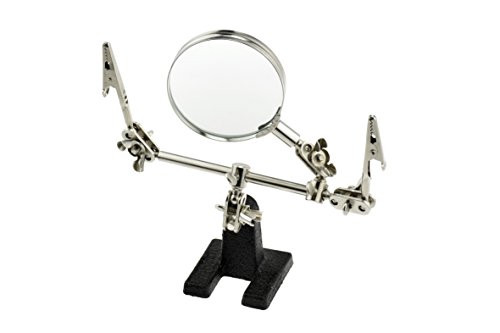 | Carson Optical ProSeries MagniVisor headband magnifier | LED-Lit Sessions | LED-equipped headband magnifier for dim benches where shadows hide bridging and cold joints. | Check Price on Amazon |
 | Fancii LED headband magnifier with interchangeable lenses | Budget Multi-Lens | Interchangeable acrylic lens kit for hobby magnification when weight and price beat glass purism. | Check Price on Amazon |
Eye strain is ergonomics: working distance, lens clarity, and neck posture. Pick a magnification that lets you keep your spine neutral while still seeing the defect you are hunting.
How We Tested
We wore each visor for 45-minute placement sessions, logged edge sharpness at the field edge, and checked comfort with safety glasses underneath.
What We Logged
- Working distance at stated magnification plates
- Weight pressure on nose bridges with glasses
- LED glare on glossy solder masks
- Headband slip after sweat
Top Picks Reviewed
Donegan OptiVISOR DA-4 headband magnifier
Editor's ChoiceGlass-lens headband loupe for long inspection sessions where optical stability beats toy optics.
Pros
- Interchangeable lens plates support multiple working distances
- Glass clarity helps fatigue versus cheap acrylic
Cons
- Heavier than plastic hobby kits—adjust headband carefully
- Wrong plate choice forces bad posture—match power to task
Carson MagniVisor LED headband magnifier
LED-lit headband magnifier for dim garages and basement benches where shadows hide defects.
Pros
- Integrated lighting reduces bench lamp glare angles
- Useful for model painting and dark PCB soldermask inspection
Cons
- Battery weight changes balance—plan rechargeable cells
- LED hotspots can annoy on glossy surfaces
Fancii LED headband magnifier kit
Budget multi-lens headband kit for occasional magnification and student benches.
Pros
- Low cost makes loaner kits realistic
- Multiple lenses help beginners discover comfortable working distance
Cons
- Acrylic optics scratch easier than glass
- Longevity varies—inspect lens mounts on arrival
Ergonomics
- Add task lighting even if the visor has LEDs; shadows lie.
- Take breaks; magnification hides macro mistakes like reversed connectors.
FAQ
Which magnification?
Start mid power for general SMD; increase only if working distance stays healthy.
With prescription glasses?
Pick headband clearance models and test fit before marathon builds.
Stereo microscopes instead?
Better for budgets that allow; headbands win on footprint.
Verdict
OptiVISOR DA-4 is the best glass-lens default here. Carson MagniVisor fits LED-first dim benches. Fancii fits budget multi-lens kits.