Best Airbrush Cleaning Station For Daily Color Changes (2026 Buyer's Guide)
| Preview | Product | Pick | Key Benefit | Action |
|---|---|---|---|---|
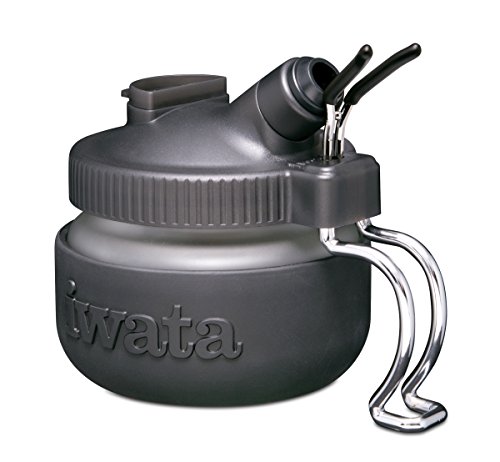 | Iwata-Medea Universal Spray-Out Pot | Editor's Choice | Wide compatibility plus replaceable filtration story—favorite when sessions hop colors hourly. | Check Price on Amazon |
 | Master deluxe 3-in-1 cleaning pot with holder palette lid | Value Stack | Teaches disciplined backflush posture without pretending you own museum equipment yet. | Check Price on Amazon |
 | MAGIKON airbrush cleaning jar / holder combo | No-Frills Utility | When budget benches still deserve pigment containment—not paper towels taped precariously. | Check Price on Amazon |
Cleaning stations tame the chaotic mid-session pigment burp—the moment diluted paint aerosolizes sideways because you blasted cleaner without baffling. Stations differ by gasket depth, charcoal or fiber mat density (where included), jar mouth diameter supporting odd cup geometries, and how confidently they cradle airbrushes while you fiddle color cups.
Cheap jars still beat “spray cleaner into garbage can melodrama” when apartment neighbors interpret smell grievances passionately.
How We Compared
Ran timed color swaps on identical dual-action rigs: dump cup, solvent rinse, pigment verify on white sponge. Logged droplet stray marks on taped grid behind station, weighed perceived stability when gripping heavier metal bodies.
What Mattered Operationally
- Seal confidence while back flushing aggressively
- Filter swap ease (Iwata excels here—budget pots sometimes omit replaceable charcoal nuance altogether)
- Footprint clash with cluttered paint racks realistically
- Glass vs plastic solvent compatibility awareness (lacquer-heavy days discriminate materials)
Top Picks Reviewed
Iwata Universal Spray-Out Pot
Editor's ChoiceLong-session hedge when filters actually exist and gasket tolerances cooperate.
Pros
- Thoughtful mating for many branded cup angles subjectively forgiving
- Dishwasher top-rack claim eases teardown guilt weekly
Cons
- Amazon availability fluctuates—watch third-party gouging emotionally
- Not magic—lacquer solvents still deserve ventilation seriousness
Master 3-in-1 cleaning station
Feature-rich TCP-adjacent pot teaching palette discipline via lid wells.
Pros
- Integrated holder keeps hot nozzles off bench finishes charitably
- Palette lid improvisation suits quick tint tweaks mid-batch
Cons
- Plastic fatigue story if drowned in aggressive thinners endlessly
- Heavier rigs may need counterweight shims creatively
MAGIKON jar-style cleaning pot
Minimal footprint answer when portability trumps molded palette extravagance.
Pros
- Price forgiving on kits purchased alongside first compressor bundles historically
- Acrylic workflows rarely stress gasket complexity heavily
Cons
- Less refined vapor capture vs premium baffling philosophies
- Lid threads demand gentle torque—plastic cross-thread resentment burns midnight painting windows
Rhythm Tips
- Pre-fill shallow cleaner volume—splashing brimful jars invites backsplash drama.
- Color-change choreography: airflow first, pigment second, solvent third—prevents bubbling surprises.
- When filters saturate, smell tells truth before optics do—trust nose cynically.
FAQ
Can I skip station if using water-based only?
Possible, but aerosol pigment still escapes cups unpredictably indoors.
Glass jar mandatory?
Plastic tolerates disciplined acrylic regimes; solvent-forward users prefer glass calmly.
How often replacing Iwata filter pads?
Weekly heavy users monthly lighter—observe draw resistance subjectively worsening?
Cleaner disposal legally?
Treat as paint waste locality rules dictate—not generic drain optimism.
Verdict
Iwata Universal Pot earns premium when schedules swap colors ruthlessly; Master 3-in-1 educates palettes cheaply; MAGIKON survives ultra-budget rigs without forfeiting containment entirely.